
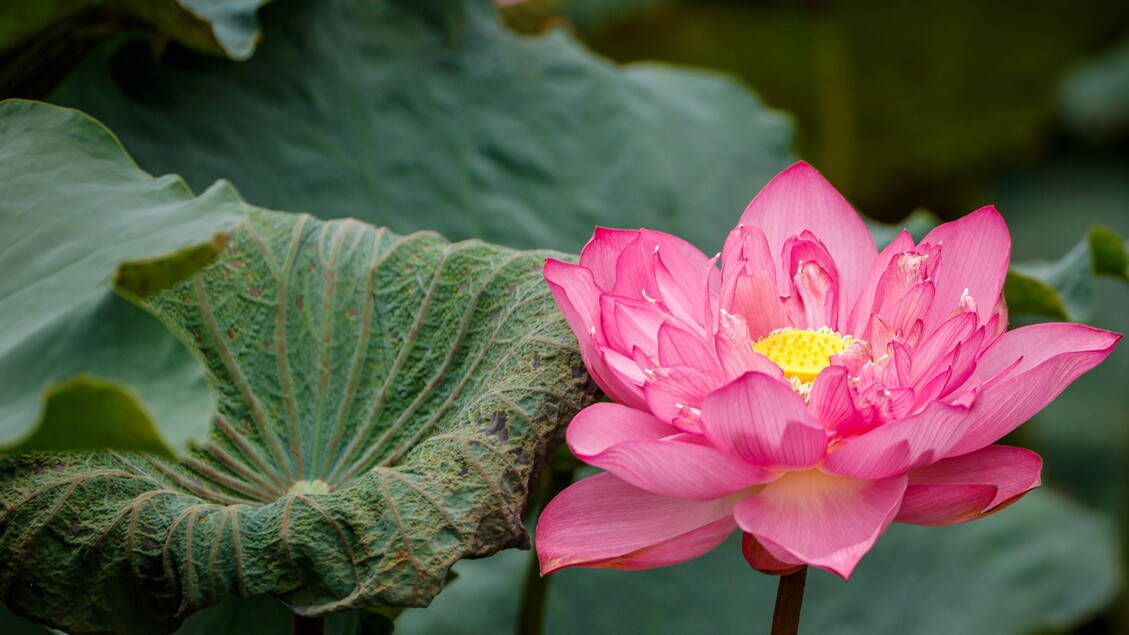
The phenomenon attracts numerous visitors every year
For generations of Vietnamese, the lotus is not just a flower, but an emblem of resilience, nobility and purity, and is considered the flower that best represents the national spirit, embodying the character and identity of the Vietnamese people.
In Hanoi in particular, it is in this period that the flowering of lotuses in the ponds around West Lake attracts numerous visitors every year, while in Hue the tradition of lotus tea continues to be handed down by local artisans.
The lotus remains today, one of the most recognized symbols of Vietnamese cultural identity, a bridge between tradition and contemporary life. The plant, which has its roots in the mud but flowers intact and fragrant above the surface of the water, has for centuries been associated in Vietnamese culture with the ability to maintain one’s moral integrity even in the most difficult conditions.
This symbolic link has made the lotus a recurring motif in the art, poetry, crafts and daily life of the Asian country. The flower also accompanies religious and spiritual moments, recalling Buddhist teachings on inner purity, and remains a constant reference in national celebrations.
