
The Prime Minister’s words trigger mixed reactions on the culture of extreme work
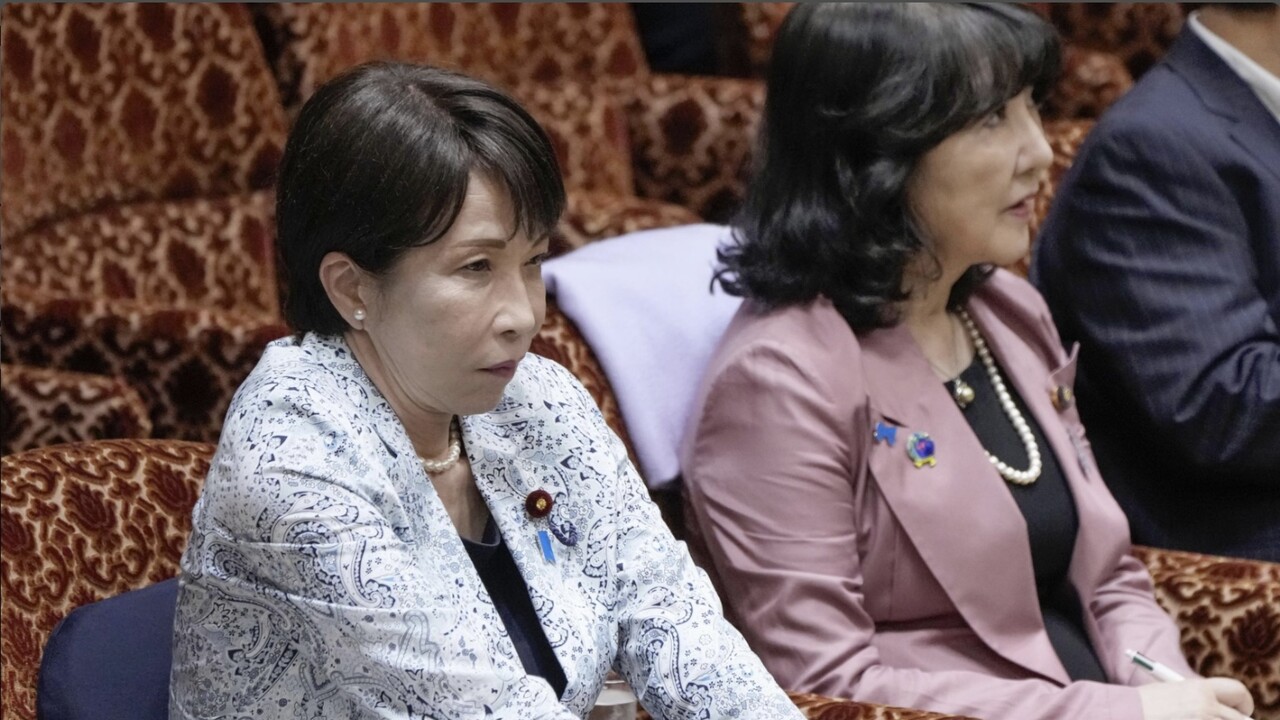
Japanese Prime Minister Sanae Takaichi’s statements about her sleepless nights continue to spark controversy, reigniting the debate on the culture of extreme work in the country.
Last week in a post on During the long weekend, she added that she was able to rest for five hours “for the first time in a long time.” The words of Takaichi, who in the past had promised to “Work, work, work” by giving up work-life balance, sparked mixed reactions. Opposition leader Yuichiro Tamaki stressed that “resting is part of the job” of a prime minister, urging her to delegate to focus on crucial decisions. Another opposition figure compared the lack of sleep to a state of inebriation, hypothesizing possible repercussions on the management of the government. Toru Kunishige, of the Centrist Reform Alliance, warned on X that prolonged sleep deprivation could “impair judgment and threaten the management of national crises.”
On various social networks, few users defended the prime minister for her commitment, but many others criticized her: “Showing how hard you work won’t win you consensus”, reads one comment; “Hire someone to do the housework,” another post highlighted. Chief of Staff Minoru Kihara defended the prime minister, denying that her statements contradict the government’s policy of reforming working hours. The political leader of the majority party, Takayuki Kobayashi, while admitting that the workload is “extraordinary”, said he advised her to sleep more, underlining that Takaichi still remains energetic and fit.
According to observers, the affair raises numerous questions, bringing attention to the critical issues of the Japanese working model that the government itself is trying to correct.
