
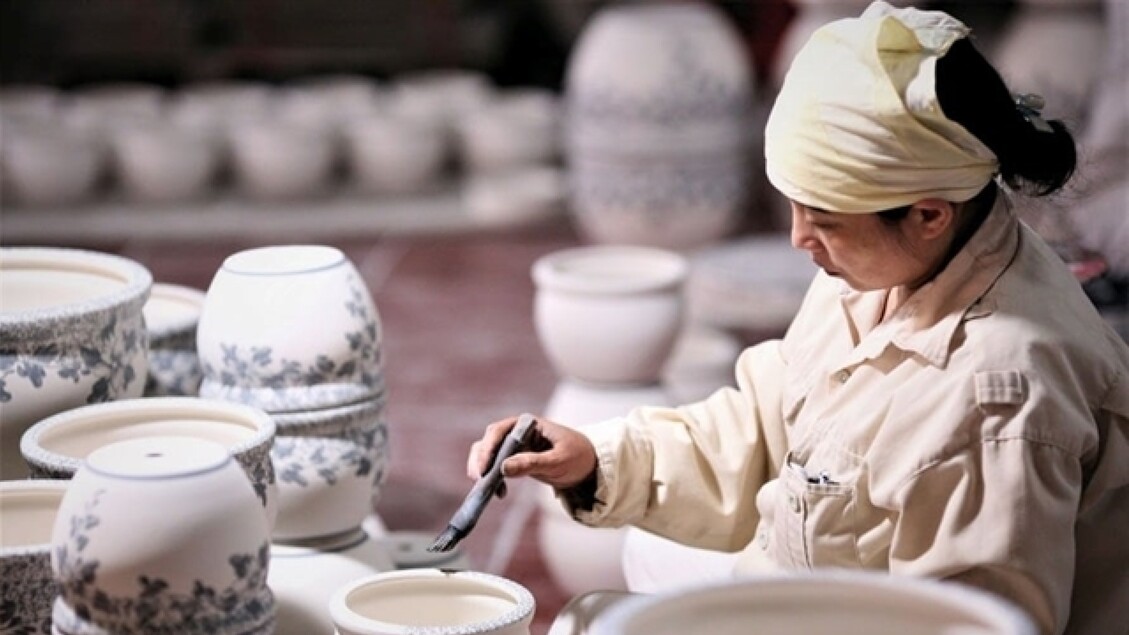
They are rural communities where generations of families practice a traditional craft
Hanoi, the capital of Vietnam, aims to transform its artisan villages into green and livable spaces, integrating traditional production, cultural tourism and sustainable urban development. This was reported by the newspaper Vietnam News, which describes the Vietnamese capital’s five-year plan 2025-2030 for the redevelopment of its immense heritage of traditional craftsmanship.
With around 1,350 villages dedicated to crafts and artisanal production – of which 337 are officially recognized by the municipal People’s Committee – Hanoi is the Vietnamese city with the largest number of artisan villages.
Together, these villages generate annual revenues estimated at more than $949 million and employ approximately 800,000 workers, representing a key pillar of the capital’s rural economy.
The fulcrum of the plan is the transformation of the economic model into production chains with low environmental impact integrated with tourism and cultural development, thanks also to the Ocop program, which certifies quality local products.
Four historic villages — Bat Trang for ceramics, Van Phuc for silk, Son Dong for wood carving and Chuyen My for mother-of-pearl lacquerware — have already joined the global network of creative craft cities.
