
Treatment of nuclear non -proliferation continues
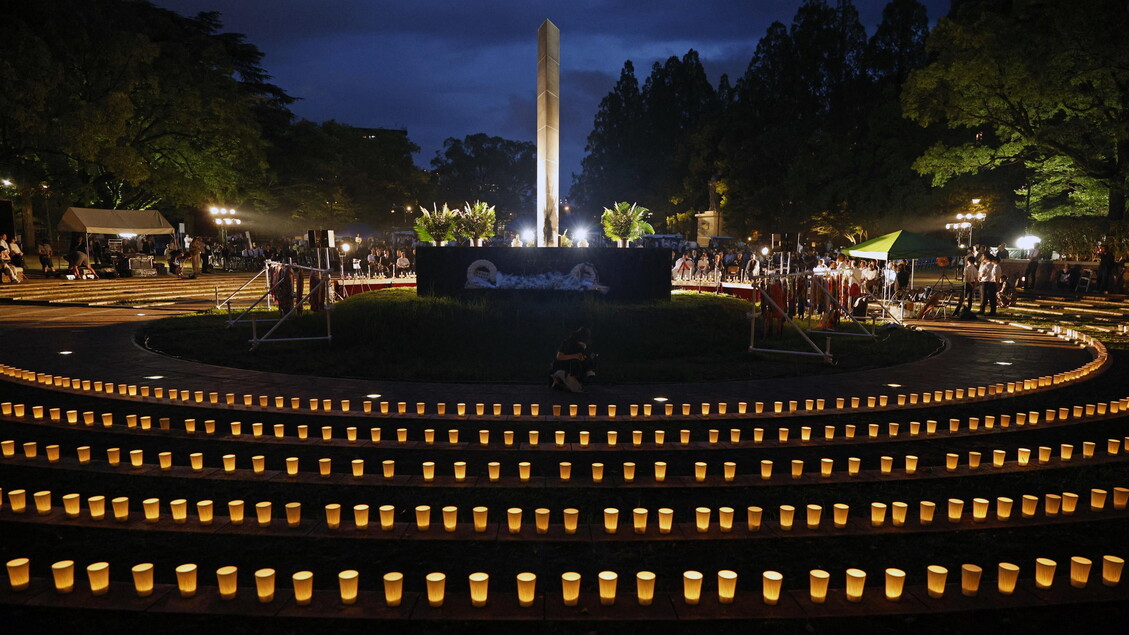
Three days after the commemoration of the 80 years from the nuclear horror of Hiroshima, the city of Nagasaki recalls the similar fate, following the second atomic bomb released on August 9, 1945 by the United States; A catastrophe that cost the life of over 70 thousand people, mainly civilians, effectively decreeing the end of the Second World War with the unconditional surrender of Japan six days later. A minute of silence was observed at 11:02 am local hours (4:02 in Italy) inside the Peace Park, in the city located southwest of the archipelago.
The commemorative event was attended by 94 countries and regions, after last year’s controversies for the choice of the municipality not to invite Israel due to the conflict in the Gaza strip, pushing the ambassadors of the United States and other members of the group of seven to snub the ceremony.
In the declaration of peace read during the commemorative ceremony, the mayor Shiro Suzuki invited world leaders to outline a specific action plan for the abolition of nuclear weapons, underlining how the Japanese organization of survivors of the atomic bomb, ‘Nihon Hidankyo’, awarded the Nobel Peace Prize last year, has highlighted “the ability of a greater collaboration of civil society”. In his speech the Japanese Prime Minister Shigeru Ishiba instead promised to maintain the ten -year commitment of Japan not to possess, produce or allow the use of nuclear weapons. The Tokyo government “will constantly work to guide the global efforts aimed at creating a world without nuclear wars and a world without atomic weapons”, said Ishiba, without however referring to the United Nations Treaty on the ban on nuclear weapons that entered into force in 2021, despite the renewed requests from Hiroshima and Nagasaki so that Japan adheres to you. Of the same opinion, the declaration of the Undersecretary General of the United Nations and a high representative for foreign affairs, Izumi Nakamitsu, in his declaration read on the occasion: “We must renew our commitment to the disarmament tools that have proven their effectiveness: dialogue, diplomacy, strengthening of trust, transparency, control and reduction of armaments”. Based on the latest government estimates, the overall number of officially recognized survivors of the two nuclear attacks, known as ‘hibakusha’, was 99,130 in March of this year, going down for the first time below 100 thousand, with an average age of just over 86 years old.
