
Executive Takaichi under fire for his silence, criticism grows
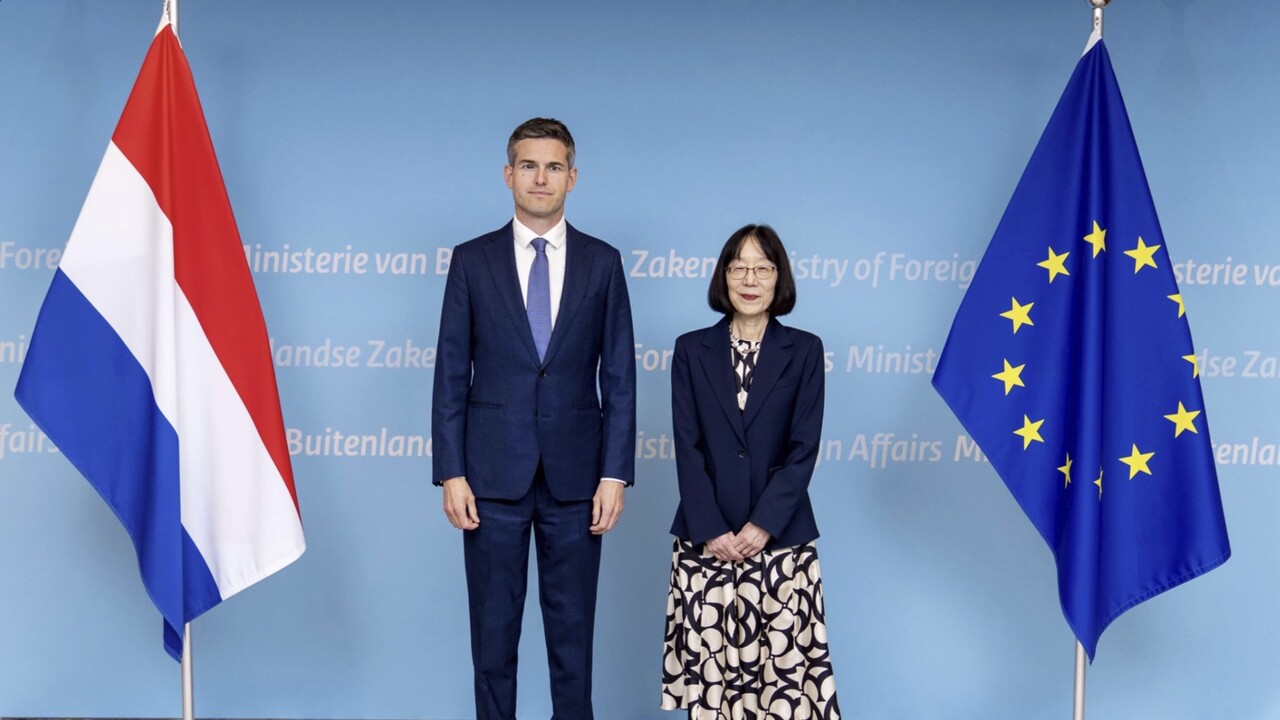
The Japanese government’s wait-and-see attitude in the face of US sanctions against the International Criminal Court (ICC) has turned out to be a boomerang, exposing Tokyo to a “diplomatic failure”. This is the severe warning that the Asahi Shimbun issues to Prime Minister Sanae Takaichi, after the Trump administration extended the restrictive measures to the president of the court, the Japanese Tomoko Akane, despite the initial fears of the Japanese government. The sanctions, based on an executive order signed by Trump in February 2025, not only ban entry into the United States and freeze any assets, but prevent any economic transactions with those affected. A devastating impact, the newspaper recalls, given that the dollar is the world’s main reserve currency and institutions and companies around the world risk heavy fines if they have dealings with those sanctioned. The Canadian judge of the ICC, Kimberly Prost, who already came under Washington’s sights in August 2025, told the Japanese newspaper that she had lost access to services such as Amazon’s Kindle and the food transport and delivery app Uber.
An absurd digital “social death” that now also threatens Akane and a high-ranking legal officer of the Court, who were affected last August 18. According to Asahi, Tokyo did not join the joint declaration of 79 countries, including the United Kingdom, France and Germany, in support of the ICC in 2025, for fear of retaliation against Akane; a calculation that turned out to be counterproductive.
In this context, the caution of Takaichi, who has cultivated a close relationship with the White House, has effectively turned into a surrender: “If Japan cannot speak frankly to the United States when it is most important, writes the newspaper, then it is a “defeat for diplomacy”. The rule of law, concludes the editorial, is a “lifesaver” for a country that is not a superpower: invoking it in words is not enough, it is necessary to demonstrate it with facts.
