
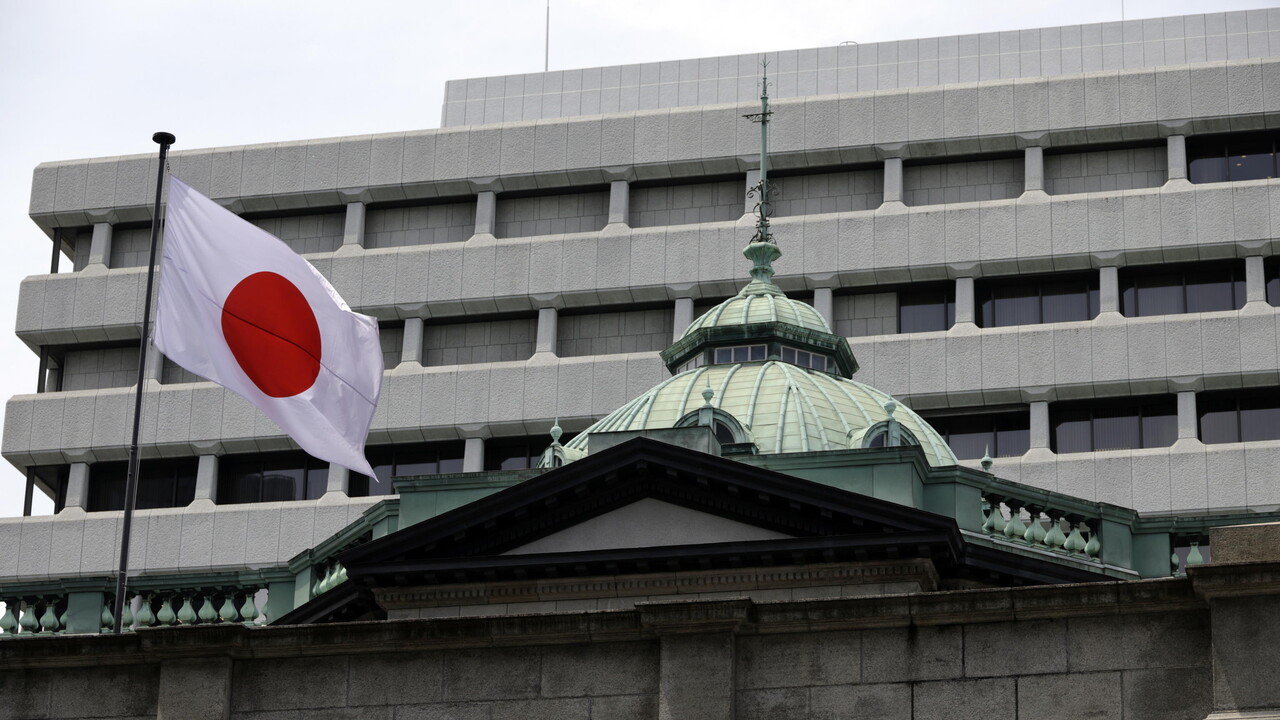
Weak yen and Middle East conflict weigh on, expectations for a new BoJ rate hike are growing
The depreciation of the yen and tensions in the Middle East push inflation in Japan in July, exceeding the Bank of Japan’s (BoJ) target for the seventh consecutive month if the effect of government subsidies on fuel is excluded.
The data from the Ministry of Internal Affairs, in fact, confirm an acceleration to 1.8% on an annual basis, from +1.6% in June; also excluding energy, so-called “core” inflation rose to 1.9% in July, from +1.7% in June, in line with forecasts. Prime Minister Sanae Takaichi has so far mitigated the impact on consumers with subsidies on fuel and energy, but according to analysts the buffer effect is gradually waning. The data reinforces expectations of a new restrictive intervention by the BoJ, which already in June had brought the reference rate to 1% – a 31-year high – and which operators expect a further increase to 1.25% at the next meeting on 17-18 September. A possible increase could support the yen, which in recent weeks has already recovered around half of the losses following the joint US-Japan intervention on exchange rates last month. A weak currency can support the domestic economy, for example by making Japanese products more competitive in foreign markets. At the same time, however, it can have negative effects, increasing the cost of imports and exacerbating one of the main problems the country faces as the conflict in the Middle East continues to drag on. The BoJ, despite keeping monetary policy unchanged in July, issued its clearest warning yet of growing inflationary risks.
