
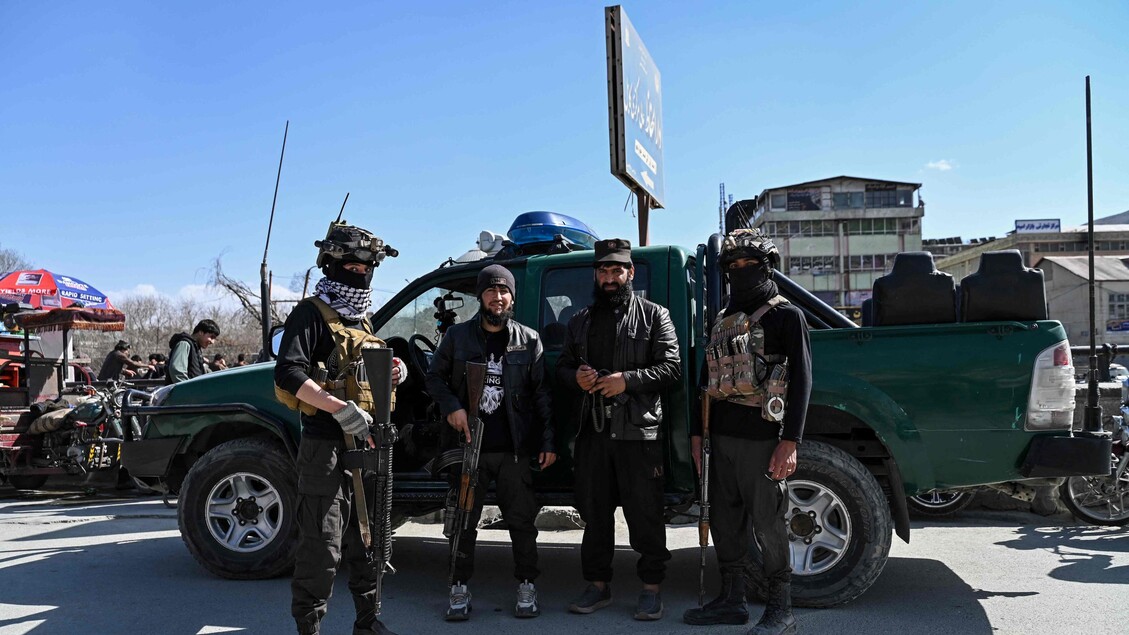
From diplomatic tension to conflict, the escalation along the Durand Line at the border
A new dangerous escalation marks the conflict between Afghanistan and Pakistan. Violent explosions shook Kabul in the middle of the night, but bombings by the Pakistani armed forces were also recorded in other areas of Afghanistan according to the Taliban government: in the province of Paktia, but also in Kandahar, the Taliban stronghold where their leader, Haibatullah Akhundzada, supposedly lives.
“Our patience has overflowed, now it is open war”, thunders Islamabad’s Defense Minister, Khawaja Asif. Fiery words, which arrive a few hours after an offensive against Islamabad’s troops announced by the Taliban government de facto in power in Afghanistan, which now declares itself in favor of “dialogue” and “a peaceful solution”.
Thursday evening the first news of “intense clashes” between Afghan and Pakistani forces along the Durand line: the disputed border which winds through the mountains for 2,640 kilometers and has long been at the center of very serious tensions. The belligerent parties speak of dozens of deaths, but they do so by publishing figures that are not only unverifiable but which are in strong contrast with each other, in what appears to be a real tug-of-war over numbers.
The Pakistani army claims that “297 Taliban” died in the clashes and that 12 Islamabad soldiers lost their lives. The version of the de facto government of Afghanistan is that “55 Pakistani soldiers” and “13 Afghans” were killed in the violence. Pakistan also claims that its troops destroyed “16 Afghan Taliban positions” and “captured seven others” and also destroyed an ammunition depot.
The Taliban in turn say they have captured or destroyed two bases and 19 positions, and accuse Pakistani forces of wounding 13 civilians in a missile raid on a refugee camp in Nangarhar province. All this while in Kabul AFP journalists report violent explosions in the night and jets flying over the skies until dawn. “The first two explosions occurred further away from us. The last ones were close to us and made the house shake. After each explosion you can hear the sounds of fighter jets,” a resident told reporters.
“The clashes on the border have now become routine, and it has become almost impossible to live here amidst gunfire and mortar fire,” a person who lives in a small village in Pakistan not far from the border tells the New York Times. Such bloody clashes between the two former allies have probably not been seen for years, experts say. The Taliban government – accused of very serious and systematic violations of human rights, particularly of women – presents its offensive on Thursday as “a response to repeated border violations (…) by Pakistani military circles”.
The reference is to the air strikes conducted on the night of February 21 by Pakistani forces on eastern Afghanistan: attacks in which Islamabad says they hit militia positions of the Pakistani Taliban and the Khorasan group of ISIS, killing “at least 80”, but in which the UN considers it credible that at least 13 civilians died. In fact, Islamabad accuses Afghanistan of not keeping in check what it defines as “anti-Pakistan terrorists” and who it suspects of being behind several attacks in the country.
Relations between the Taliban government of Afghanistan and Pakistan have deteriorated significantly in recent months. More than 70 people are estimated to have died in the fighting that broke out last October and was followed by a fragile ceasefire that did not completely end hostilities. London, Beijing, Istanbul: in recent hours various international actors have asked Islamabad and Kabul to stop the violence.
The Red Cross for its part announced that it is “preparing an operational response to humanitarian needs on the ground”, but also declared that “no humanitarian response can replace the political will to respect the rules of war and to give priority to de-escalation”.
