
It will be exhibited in New York for the UN conference on the ban on nuclear weapons
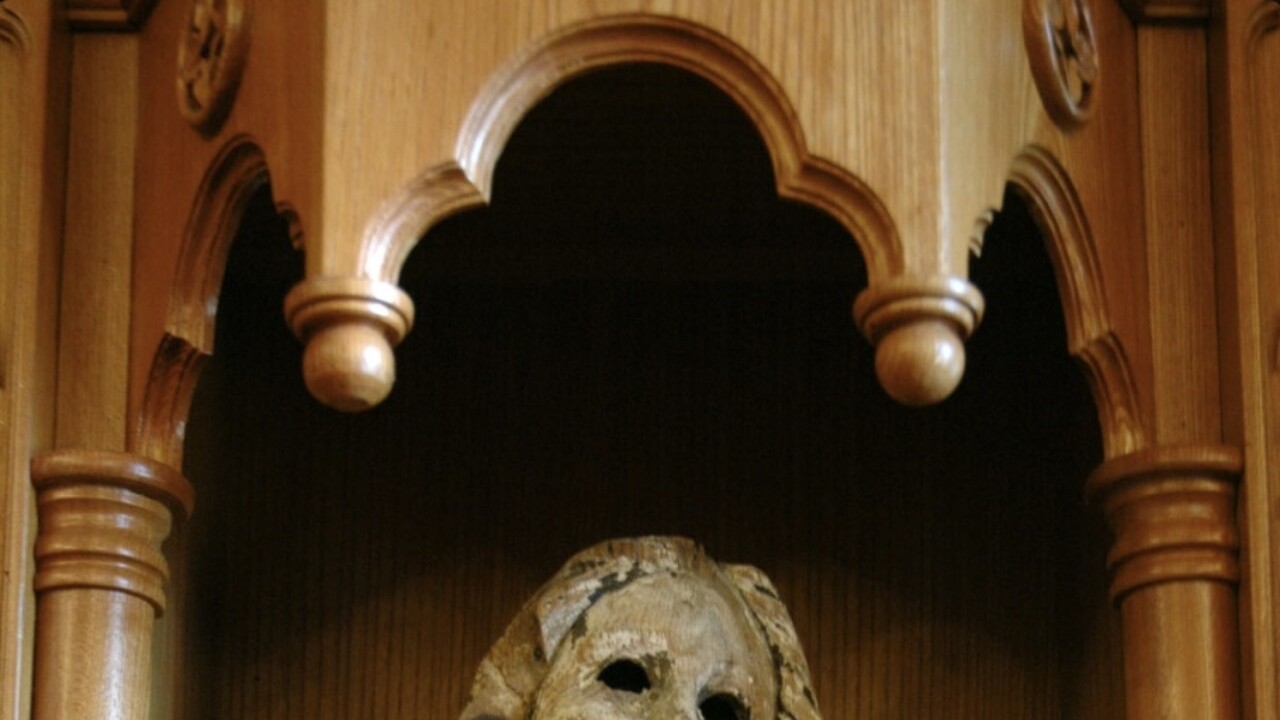
The head of the wooden statue of the Virgin Mary, which survived the US atomic bombing of Nagasaki, and known in Japanese as ‘Hibaku no Maria’, will return to the United States for the first time in sixteen years. This was reported by a source familiar with the dossier cited by the Kyodo Agency, according to whom the sacred fragment will be brought to New York by a group of Catholic religious on the occasion of the November conference dedicated to the revision of the Treaty on the Prohibition of Nuclear Weapons. The initiative intends to recall “the real dimension” of what happened on 9 August 1945, in a phase in which, at an international level, there was a progressive distancing from the objectives of disarmament. The delegation includes representatives of Catholic organizations and archdioceses from Japan and the United States, committed to the abolition of atomic weapons.
The find is currently kept in Urakami Cathedral, in the city in southwestern Japan. According to the Archbishopric of Nagasaki, the last time the statue’s head was brought to the United States dates back to 2010, on the occasion of the five-year review conference of the Nuclear Non-Proliferation Treaty, also in New York. In this context, the Kyodo agency says, preparations are currently underway to display the fragment to the public at the United Nations headquarters and in some churches in the United States between November and December, as well as meetings with associations and civic groups. The head was found in the rubble of the old Urakami cathedral, destroyed by the bombing, and returned to the church after being kept for many years in Hokkaido prefecture.
Blackened and marked by flames, the sculpture has over time become a symbol of the tragedy of the atomic bombing, inspiring literary and musical works.
