
170 thousand tons released, while new infiltrations slow down dismantling
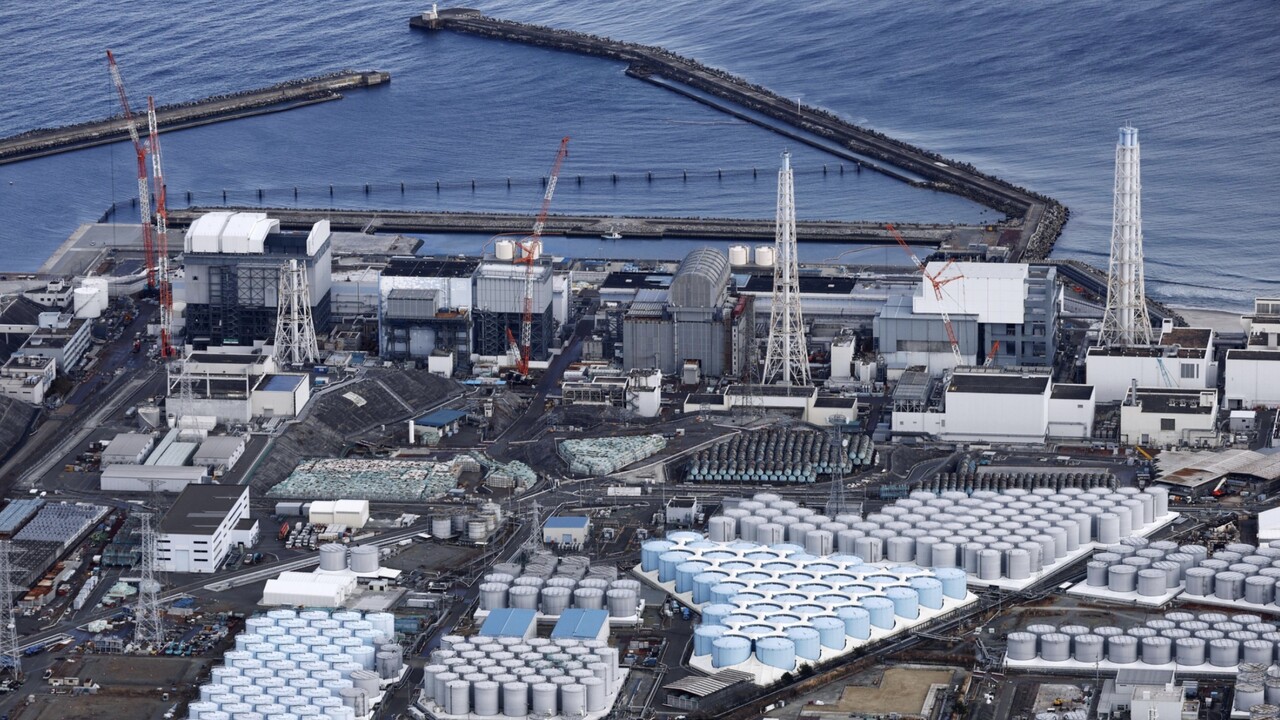
Exactly three years after the start of the release into the sea of treated water from the Fukushima Daiichi nuclear power plant, damaged by the earthquake and tsunami of 11 March 2011, the technical balance sheet marks a double result: on the one hand, 172,700 tonnes were released into the Pacific Ocean in 22 cycles, without any anomalous levels of tritium being detected in the water or in the fish. On the other hand, the overall quantity stored in the tanks fell by only 7.6%, to around 1.24 million tonnes, due to the continued infiltration of rainwater and groundwater into the damaged reactors.
Operator Tokyo Electric Power Company (Tepco) has already dismantled 17 of more than a thousand tanks and aims to complete the discharge by 2051, in line with the roadmap for decommissioning the plant. The process is monitored by the International Atomic Energy Agency (IAEA), the central government and Tepco itself, and so far no deviations from Japanese safety parameters have been found: the maximum concentration of tritium detected in the sea was 61 becquerels per liter, well below the threshold of 700 that would require interruption. The water, after purification, is diluted and released from a point one kilometer from the coast.
However, the goal remains uncertain, local media report.
The large-scale removal of melted fuel debris, an essential condition for eliminating the production of new contaminated water, was postponed last July to fiscal 2037 or beyond, much later than the initial forecast close to 2030.
Currently, thanks to waterproofing interventions, the daily production of contaminated water has dropped to around 60 tons, compared to 540 in 2014, but it is not destined to stop as long as the fuel remains in the reactors. On the international front, China – which before the accident was the main market for Japanese fish – effectively maintains a total ban on imports, despite a partial lifting announced in June 2025, escalating diplomatic tensions with Tokyo. Restrictions also remain in place in Russia. Tepco has so far paid compensations of around 96.7 billion yen (520 million euros) to over 1,100 fishing operators, affected by the collapse of exports to China and Hong Kong.
